 Image 1 of 4
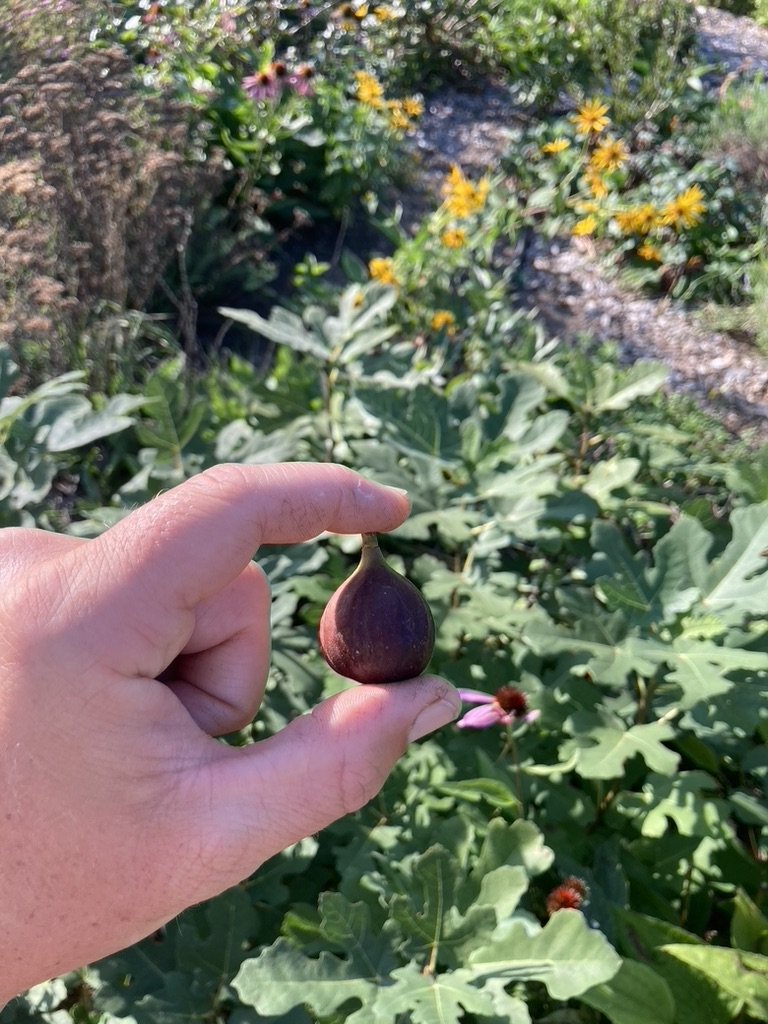 Image 2 of 4
 Image 3 of 4
 Image 4 of 4
(Ficus carica)
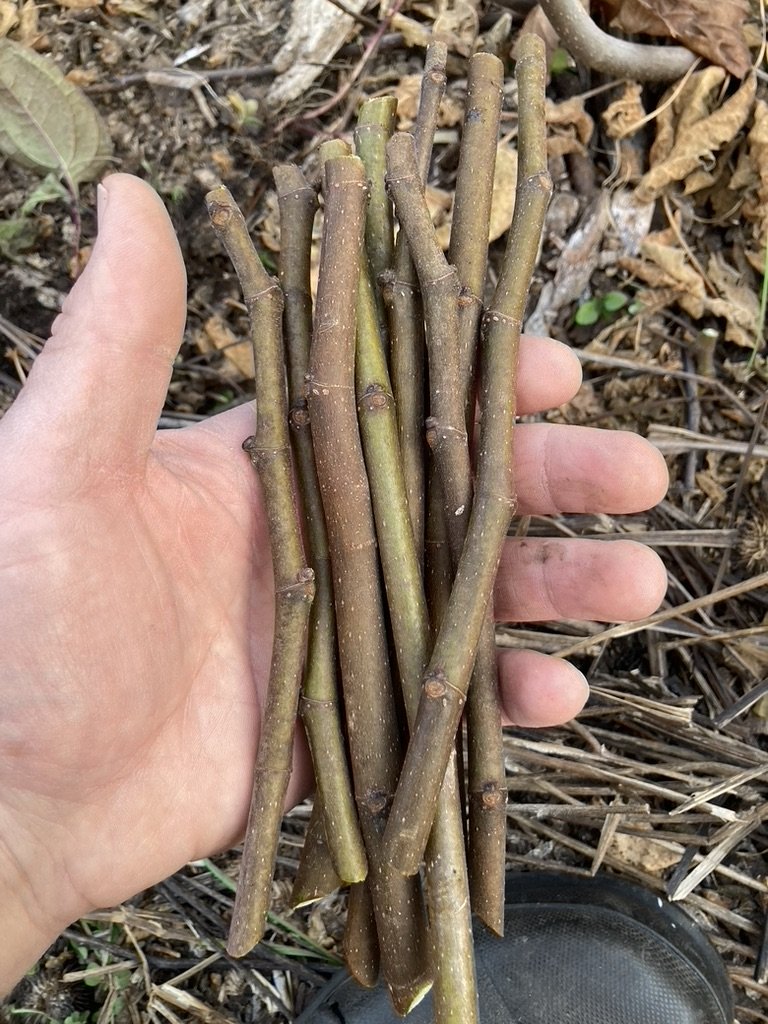
This listing is for dormant hardwood cuttings, meant for rooting.
If you live in an area with freezing winters, Chicago Hardy fig is the way to go. While branches are hardy to 10F, roots are even hardier down to -20F! Even in cold winters with severe dieback, Chicago Hardy will send up new stems where the main fig crop is produced each season. Fruit is very tender and sweet, ripening to a dark purple in the fall. Figs are fast growing, easy to maintain, and produce a strong root system. We have never experienced any pests or diseases on these plants.
Flavor profile: Sweet, berry, jammy
Hardiness zone: 5-10
Light: Full sun
Soil: Well-drained soil with pH 5.5-6.5
Mature height: 10-12’ in warmer climates, 4-5’ with winter dieback
Spacing: 10-15’ spacing in cold climates, 20-25’ in warmer climates
Pollination: Chicago Hardy figs are self-fertile, so only one plant is required for fruit
Planting tips: Make sure to give hardwood cuttings a fresh cut on the bottom end before planting. The key to rooting hardwood cuttings is a cold top and warm bottom to encourage callousing and root establishment before leaf growth, which can be achieved with a heat mat or utilizing something like a warm compost pile. For fig cuttings, excess soil moisture is often the biggest reason for failure, so use a well-draining sterile medium with materials like rice hulls, coco coir, peat moss, or perlite, and be careful not to over water. Starting indoors in pots will get the plant off to a strong early start, but isn’t necessary.
Growing tips: You can still get fruit from plants that die back every winter, but higher yields can be obtained by limiting winter dieback. Planting in a warm microclimate like near a south-facing wall can help. Another option is to wrap the fig with some form of insulation, like burlap, wool, or leaves. Our unprotected Chicago Hardy figs in zone 6B have died back to the ground in colder winters with 0F nights, but still produce a few dozen figs the same fall.
We are unable to ship this product outside the contiguous US or to California.
All scions and cuttings will be shipped in late March or early April with any bare root plants in your order. If you would like scions or cuttings in February or March, please place a separate order with only the scions or cuttings (no plants) and add your shipping window preference in the “special instructions” section at checkout.
(Ficus carica)
This listing is for dormant hardwood cuttings, meant for rooting.
If you live in an area with freezing winters, Chicago Hardy fig is the way to go. While branches are hardy to 10F, roots are even hardier down to -20F! Even in cold winters with severe dieback, Chicago Hardy will send up new stems where the main fig crop is produced each season. Fruit is very tender and sweet, ripening to a dark purple in the fall. Figs are fast growing, easy to maintain, and produce a strong root system. We have never experienced any pests or diseases on these plants.
Flavor profile: Sweet, berry, jammy
Hardiness zone: 5-10
Light: Full sun
Soil: Well-drained soil with pH 5.5-6.5
Mature height: 10-12’ in warmer climates, 4-5’ with winter dieback
Spacing: 10-15’ spacing in cold climates, 20-25’ in warmer climates
Pollination: Chicago Hardy figs are self-fertile, so only one plant is required for fruit
Planting tips: Make sure to give hardwood cuttings a fresh cut on the bottom end before planting. The key to rooting hardwood cuttings is a cold top and warm bottom to encourage callousing and root establishment before leaf growth, which can be achieved with a heat mat or utilizing something like a warm compost pile. For fig cuttings, excess soil moisture is often the biggest reason for failure, so use a well-draining sterile medium with materials like rice hulls, coco coir, peat moss, or perlite, and be careful not to over water. Starting indoors in pots will get the plant off to a strong early start, but isn’t necessary.
Growing tips: You can still get fruit from plants that die back every winter, but higher yields can be obtained by limiting winter dieback. Planting in a warm microclimate like near a south-facing wall can help. Another option is to wrap the fig with some form of insulation, like burlap, wool, or leaves. Our unprotected Chicago Hardy figs in zone 6B have died back to the ground in colder winters with 0F nights, but still produce a few dozen figs the same fall.
We are unable to ship this product outside the contiguous US or to California.
All scions and cuttings will be shipped in late March or early April with any bare root plants in your order. If you would like scions or cuttings in February or March, please place a separate order with only the scions or cuttings (no plants) and add your shipping window preference in the “special instructions” section at checkout.