 Image 1 of 1
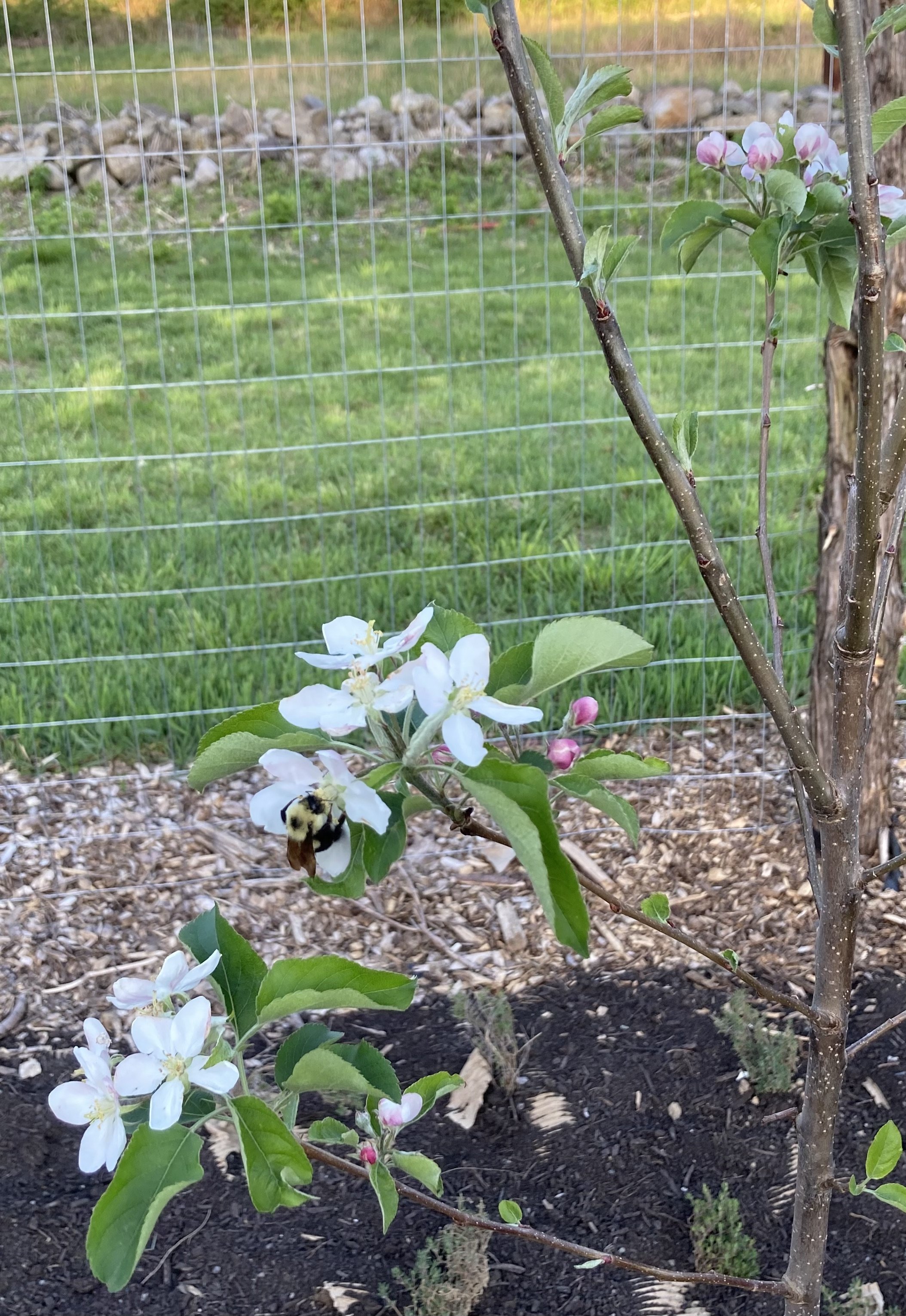
(Malus domestica)
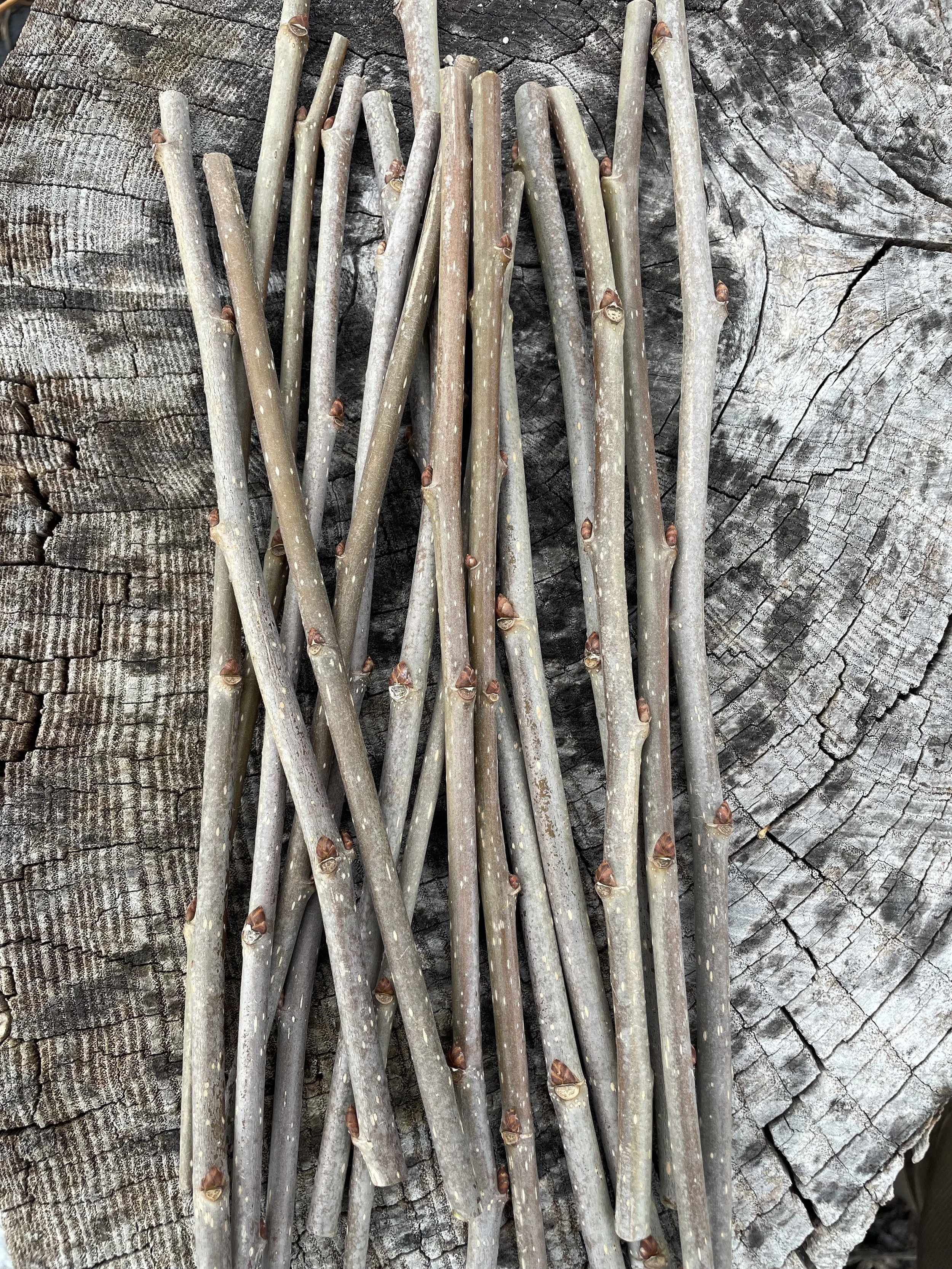
All of the apples we offer are known for strong disease resistance to minimize the need for organic sprays. We focus on cultivars with a strong natural defense to cedar apple rust, which is a common problem for organic growers in our area. All apples are 1-year whips, rootstocks specified in purchase menu.
Ashmead's Kernel: An English heirloom apple with high sugar and acid content. Good disease resistance to most diseases for an heirloom.
Baldwin: A nearly 300 year old heirloom dessert apple with sweet tart flesh and good storage ability. Very resistant to cedar apple rust. With notable resistance to insect damage, Baldwin trees are vigorous and time-tested.
Empire: A juicy, sweet, tart apple best eaten fresh off the tree in early fall. Resistant to cedar apple rust and fireblight.
Enterprise: Highly disease resistant trees. Delicious, spicy flavor that improves with storage. Stores up to 6 months.
Freedom: An apple bred for low-maintenance, Freedom has resistance to scab, fireblight, rust, cankers, and mildew. A reliable, crisp and sweet apple great for processing or snacking.
Jerseymac: A great early-season snacking apple from New Jersey. Strong disease resistance to rust, scab and fireblight.
Liberty: One of the easiest apples to grow organically because of its broad range of disease resistance. A heavy producer of tasty McIntosh style apples.
Pristine: A delicious early season apple with strong disease resistance. Sweet tart fruit ripens in July, Immune to apple scab and resistance to many common diseases, but is only moderately resistant to cedar apple rust.
William’s Pride: One of the tastiest early-ripening apples, with complex, rich flavor. Immune to scab and resistant to other diseases.
Winesap: An American heirloom with crispy, spicy fruits that ripen late fall. Good disease resistance with resistance to cedar apple rust, but susceptible to apple scab.
Hardiness zone: Varies by cultivar, generally 4-8
Light: Full sun
Soil: Well-drained, fertile soil with pH 6-7
Pollination: Apple pollination varies by cultivar and it’s important to research flowering groups and which cultivars will pollinate which. It’s usually recommended to plant compatible trees within 50 feet of one another.
Planting tips: Make sure your planting hole has good drainage by digging a large hole and stabbing the bottom and sides with a shovel so water can drain. Fill the hole with native soil to help water disperse evenly. Consistent watering is crucial for newly planted trees to help minimize transplant shock and establish strong roots.
Staking young apples at planting, especially dwarf and semi-dwarf trees, is strongly recommended due to the combination of vigorous upright growth and smaller root structure. Apple ‘whips’ are grafted trees that are 1 year old and have no branches. At planting time, it is recommended to cut the tree back at your preferred height of the first scaffold branches to enduce some branching, usually around 3-4’. This will determine how low your branches are years from now for access, harvesting, and mowing, so choose wisely!
Growing tips: Prune apples so that there is good airflow between all branches and each layer of scaffolding. Most diseases take hold on leaves that are wet for extended periods, so maximizing airflow on trees is crucial quick drying after rain and dew. Keep trees mulched, especially dwarf trees as their roots do not tolerate competition for water and nutrients.
We are unable to ship this product outside the contiguous US or to California.
(Malus domestica)
All of the apples we offer are known for strong disease resistance to minimize the need for organic sprays. We focus on cultivars with a strong natural defense to cedar apple rust, which is a common problem for organic growers in our area. All apples are 1-year whips, rootstocks specified in purchase menu.
Ashmead's Kernel: An English heirloom apple with high sugar and acid content. Good disease resistance to most diseases for an heirloom.
Baldwin: A nearly 300 year old heirloom dessert apple with sweet tart flesh and good storage ability. Very resistant to cedar apple rust. With notable resistance to insect damage, Baldwin trees are vigorous and time-tested.
Empire: A juicy, sweet, tart apple best eaten fresh off the tree in early fall. Resistant to cedar apple rust and fireblight.
Enterprise: Highly disease resistant trees. Delicious, spicy flavor that improves with storage. Stores up to 6 months.
Freedom: An apple bred for low-maintenance, Freedom has resistance to scab, fireblight, rust, cankers, and mildew. A reliable, crisp and sweet apple great for processing or snacking.
Jerseymac: A great early-season snacking apple from New Jersey. Strong disease resistance to rust, scab and fireblight.
Liberty: One of the easiest apples to grow organically because of its broad range of disease resistance. A heavy producer of tasty McIntosh style apples.
Pristine: A delicious early season apple with strong disease resistance. Sweet tart fruit ripens in July, Immune to apple scab and resistance to many common diseases, but is only moderately resistant to cedar apple rust.
William’s Pride: One of the tastiest early-ripening apples, with complex, rich flavor. Immune to scab and resistant to other diseases.
Winesap: An American heirloom with crispy, spicy fruits that ripen late fall. Good disease resistance with resistance to cedar apple rust, but susceptible to apple scab.
Hardiness zone: Varies by cultivar, generally 4-8
Light: Full sun
Soil: Well-drained, fertile soil with pH 6-7
Pollination: Apple pollination varies by cultivar and it’s important to research flowering groups and which cultivars will pollinate which. It’s usually recommended to plant compatible trees within 50 feet of one another.
Planting tips: Make sure your planting hole has good drainage by digging a large hole and stabbing the bottom and sides with a shovel so water can drain. Fill the hole with native soil to help water disperse evenly. Consistent watering is crucial for newly planted trees to help minimize transplant shock and establish strong roots.
Staking young apples at planting, especially dwarf and semi-dwarf trees, is strongly recommended due to the combination of vigorous upright growth and smaller root structure. Apple ‘whips’ are grafted trees that are 1 year old and have no branches. At planting time, it is recommended to cut the tree back at your preferred height of the first scaffold branches to enduce some branching, usually around 3-4’. This will determine how low your branches are years from now for access, harvesting, and mowing, so choose wisely!
Growing tips: Prune apples so that there is good airflow between all branches and each layer of scaffolding. Most diseases take hold on leaves that are wet for extended periods, so maximizing airflow on trees is crucial quick drying after rain and dew. Keep trees mulched, especially dwarf trees as their roots do not tolerate competition for water and nutrients.
We are unable to ship this product outside the contiguous US or to California.